$9.75
$12.19
50% OFF! Hot items selling fast—Grab them before they're gone!
 Unconditional Satisfaction GuaranteeNo Shipping Fees Above 302 Months to Decide. Returns Simplified.
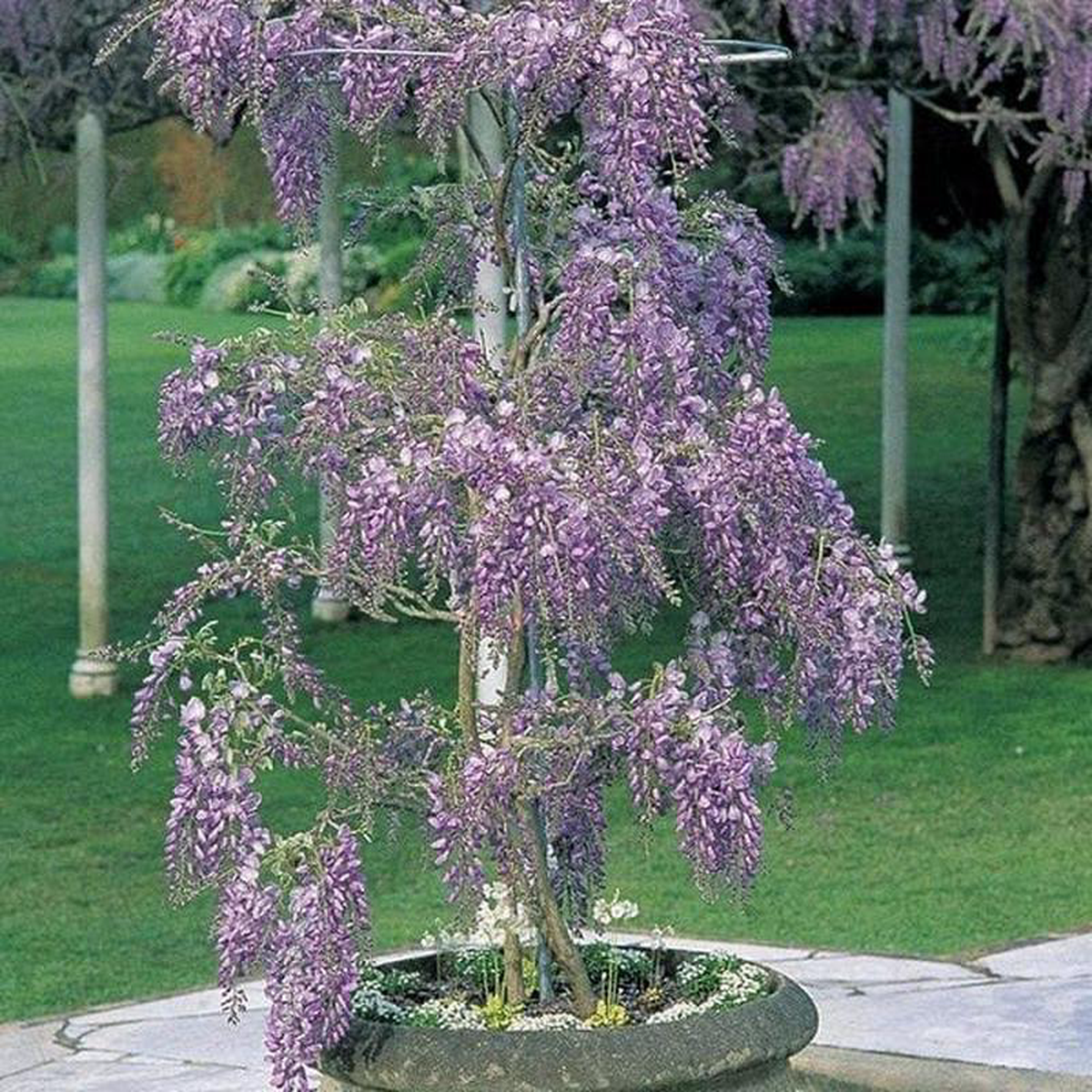
Wisteria – The Enchanting Climbing Plant Wisteria is a stunning, deciduous climbing plant known for its cascading clusters of fragrant flowers. Native to East Asia and North America, this perennial beauty can transform any garden into a picturesque landscape. With its vibrant purple, blue, or white blooms, Wisteria not only adds aesthetic appeal but also attracts pollinators, making it a favorite among gardeners and nature enthusiasts alike. What makes Wisteria truly special is its ability to create a romantic atmosphere in outdoor spaces. Its vigorous growth and ability to cover trellises, arbors, and pergolas make it a perfect choice for creating shaded retreats. Additionally, Wisteria has a rich history, often symbolizing love and longevity in various cultures. One of the most remarkable features of Wisteria is its longevity; some specimens can live for over a century! This hardy plant is also known for its ability to improve soil quality through nitrogen fixation, benefiting the surrounding ecosystem. Growing Instructions Choose a sunny location with well-drained soil. Plant in spring or fall for optimal growth. Space plants at least 10-15 feet apart to allow for spreading. Care Instructions Water regularly, especially during dry spells. Fertilize with a balanced fertilizer in early spring. Prune in late winter to encourage blooming and control growth. Uses Perfect for covering trellises, fences, and arbors. Ideal for creating shaded outdoor spaces. Used in traditional medicine for its potential health benefits. Fun Facts Wisteria can grow up to 30 feet in length! Some species can produce flowers that are over a foot long. Wisteria is often featured in Japanese gardens, symbolizing beauty and grace. Environmental Impact Wisteria plays a vital role in supporting local ecosystems by attracting bees, butterflies, and other pollinators. Its nitrogen-fixing properties enhance soil fertility, promoting healthier plant growth in the surrounding area. By planting Wisteria, you contribute to biodiversity and create a more sustainable environment.