
$31.99
$39.99
50% OFF! Hot items selling fast—Grab them before they're gone!
 Unconditional Satisfaction GuaranteeNo Shipping Fees Above 302 Months to Decide. Returns Simplified.
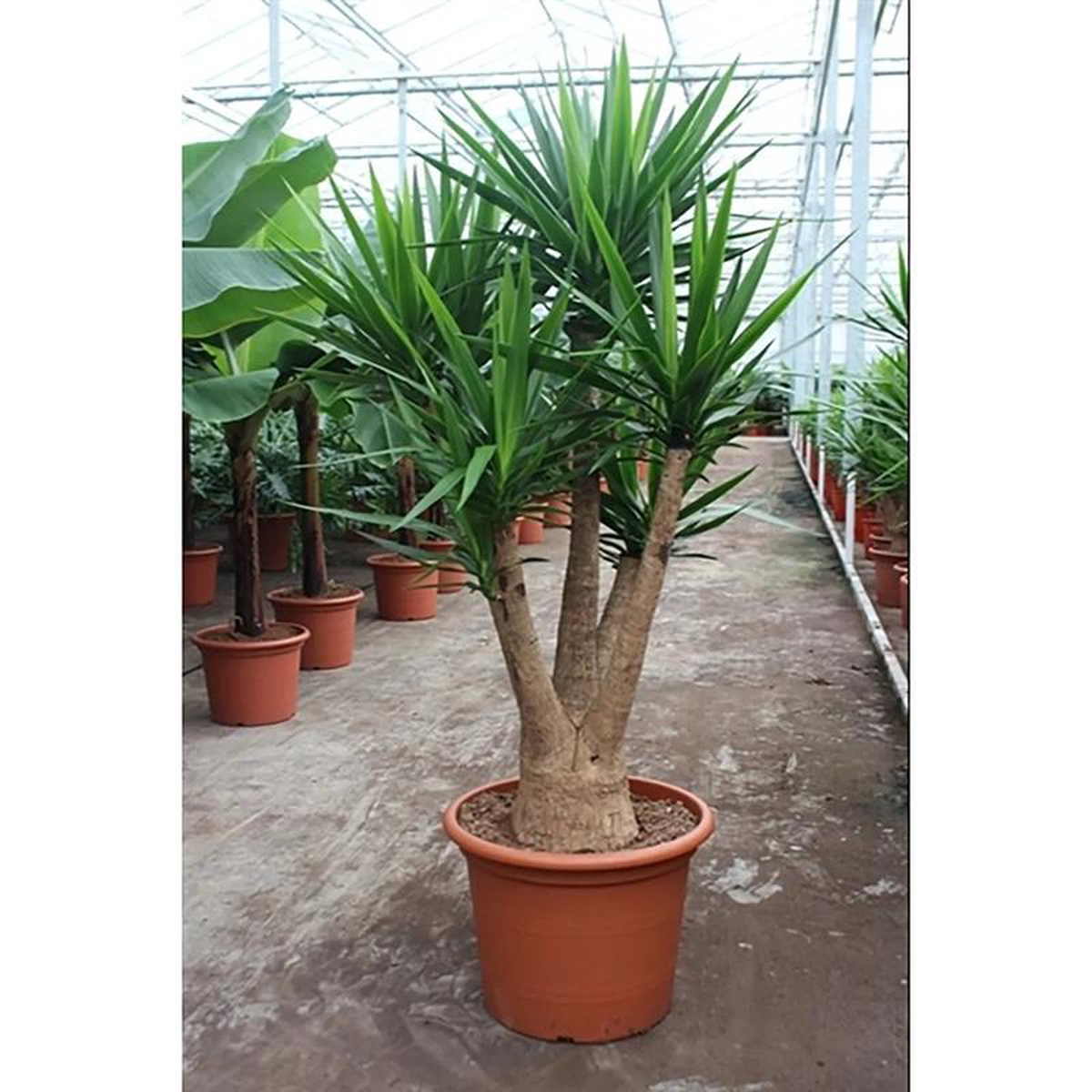
Description:Yucca Elephantipes, commonly known as the Spineless Yucca or Giant Yucca, is a bold, architectural houseplant prized for its towering height, robust trunk, and dramatic sword-shaped leaves. This specimen, with its impressive size of 230250 cm and multiple (4) heads, is a statement piece suitable for spacious interiors, offices, or conservatories. Housed in a substantial 55 cm pot, the plant’s sculptural form creates a commanding presence while maintaining a low-maintenance profile. Native to arid regions, Yucca Elephantipes thrives indoors under bright light and minimal care, making it a durable and elegant choice for plant enthusiasts. Care Guide 1.Light Requirements Preferred:Bright, indirect light or full sun. A sunny room with plenty of natural light is ideal. Tolerates:Partial shade, though growth may be slower, and leaves may appear less vibrant. Avoid:Prolonged exposure to very low light, which can lead to leggy growth. 2.Watering Frequency:Allow the top 58 cm (23 inches) of soil to dry out completely before watering. Method:Water thoroughly, ensuring excess water drains out of the pot. Discard any standing water. Caution:Yucca is drought-tolerant and sensitive to overwatering, which can cause root rot. 3.Humidity Adapts well to standard indoor humidity levels. Does not require additional humidity but will appreciate occasional misting in very dry conditions. 4.Temperature Ideal range: 1824C (6575F). Can tolerate temperatures as low as 10C (50F) but should be kept away from frost, cold drafts, or air conditioning vents. 5.Soil Requires a well-draining potting mix. A blend of cactus/succulent mix with added sand or perlite is ideal for preventing waterlogging. 6.Fertilising Feed with a balanced liquid fertiliser every 46 weeks during the growing season (spring and summer). No fertiliser is needed during autumn and winter when the plants growth slows. 7.Pruning Remove yellowing or damaged leaves by cutting them at the base of the trunk. Trim older leaves as they naturally die back to maintain the plants tidy appearance. 8.Repotting Repot every 34 years or when the plant becomes root-bound. Use a pot that is slightly larger than the current one with adequate drainage holes. For large specimens, top-dress the soil annually by replacing the top few centimetres with fresh potting mix. 9.Propagation Can be propagated from stem cuttings or offsets from the base of the plant. Allow cuttings to dry for 24 hours before planting in well-draining soil to prevent rot. 10.Common Problems Yellowing Leaves:Often caused by overwatering. Allow the soil to dry out more between waterings. Brown Leaf Tips:May result from low humidity, under-watering, or fluoride in tap water. Use distilled water or rainwater if fluoride sensitivity is suspected. Leggy Growth:Indicates insufficient light. Move the plant to a brighter location. 11.Pests Generally pest-resistant but may occasionally attract spider mites, scale, or mealybugs. Wipe leaves clean with a damp cloth and treat infestations with neem oil or insecticidal soap. Styling Tips Place the XXL Yucca in a minimalist pot, such as its included 55 cm container, and position it in a large, open space where its dramatic height can be fully appreciated. Use it as a focal point in modern or industrial interiors to complement clean lines and neutral tones. Pair it with smaller, low-maintenance plants like cacti or succulents for a cohesive and balanced display. Decorate the base of the pot with white pebbles or moss for a polished, finished look. Benefits of Yucca Elephantipes Air-Purifying:Helps improve indoor air quality by removing toxins. Low Maintenance:Tolerant of neglect, making it ideal for busy households or offices. Decorative Appeal:Its striking form and height make it a perfect natural sculpture. The XXL Yucca Elephantipes with its towering presence and multiple heads is not only a show-stopping feature in any space but also a long-lasting, hardy plant that adds a touch of sophistication and greenery to your environment.